Hiking Mount Etna: Health, Altitude & Physical Preparation
Everything you need to know about altitude, fitness requirements, and health considerations before hiking Mount Etna.
Table of Contents
Mount Etna reaches 3,400 meters — high enough that altitude affects your body, but well below the threshold where serious mountain sickness typically occurs. With basic preparation and common sense, most healthy people can enjoy an Etna trek safely. Here's what you need to know before lacing up your boots.
Can Anyone Hike Mount Etna?
The short answer: most people can hike on Etna, but not everyone should attempt the summit. Etna offers trails at every level. The Silvestri Craters at 1,900 meters are accessible to virtually anyone, including families with young children and people with limited mobility. The cable car takes you to 2,500 meters with zero effort. But the full summit trek to 3,400 meters requires moderate fitness and 5-6 hours of walking on loose volcanic terrain.
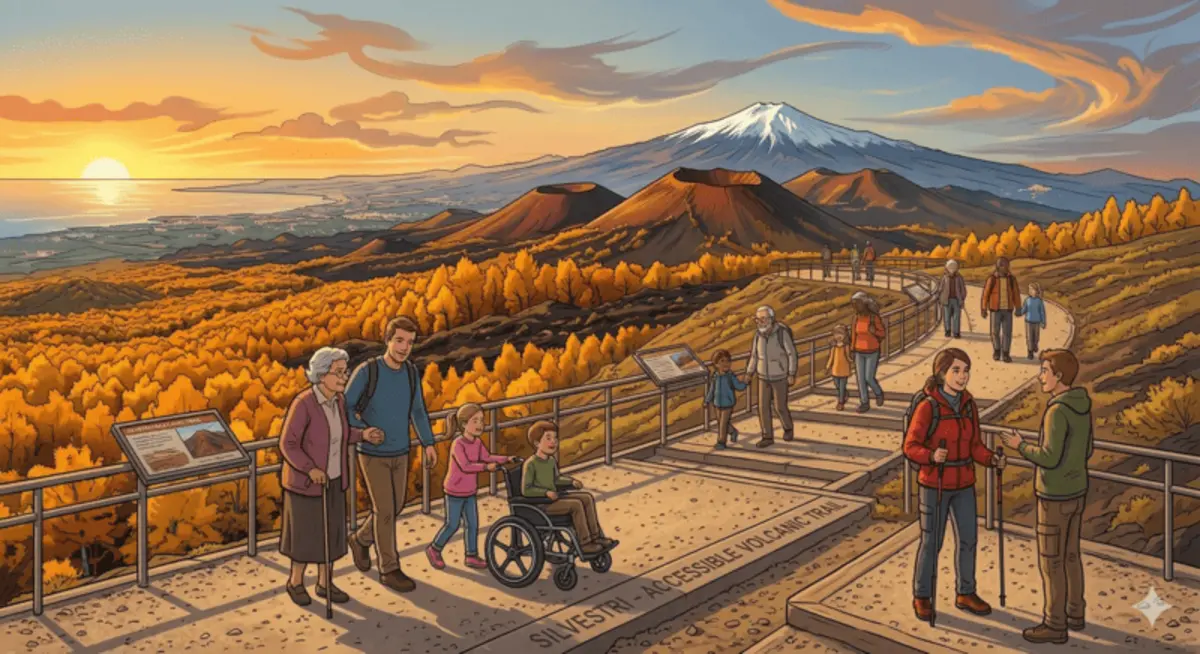
Children over 10 years old generally handle the summit trek well if they are active and used to walking. Adults up to 65-70 years in good health regularly complete the hike. The key factor is not age but overall cardiovascular fitness and joint health — particularly knees and ankles, which work hard on volcanic scoria.
Altitude on Etna: What to Expect
At 3,400 meters, Etna's summit sits below the altitude where acute mountain sickness (AMS) commonly develops — that typically starts above 3,500-4,000 meters. However, the rapid altitude gain matters: most treks start at 1,900 meters and reach the summit in 3-4 hours, meaning your body has limited time to acclimatise.
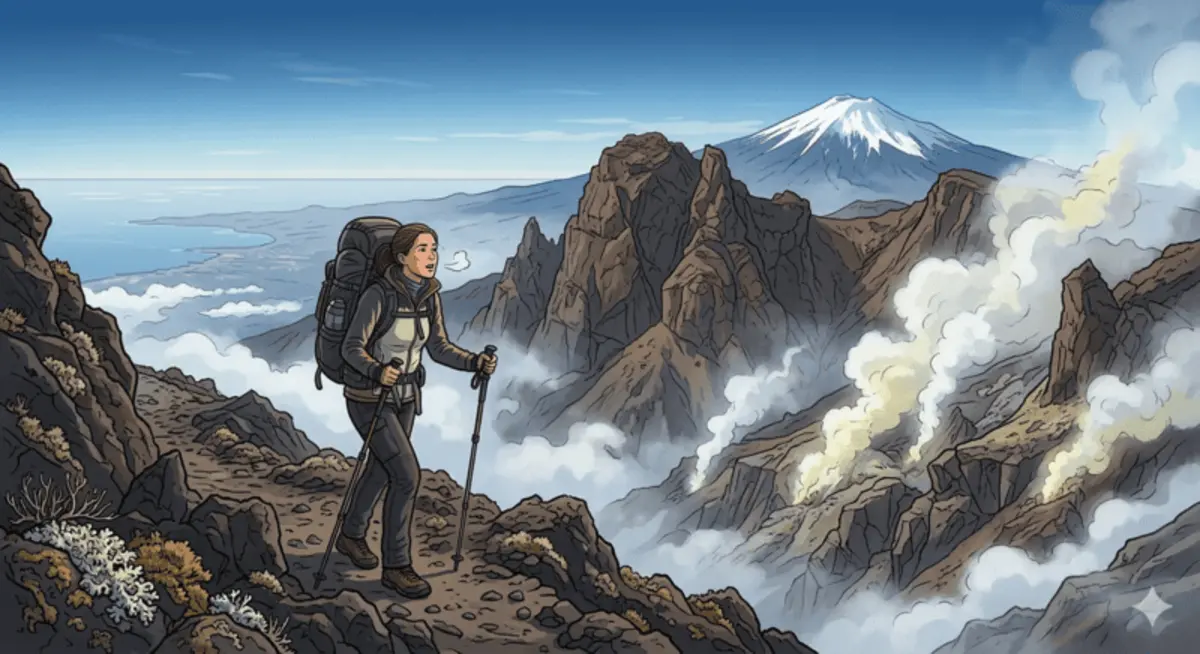
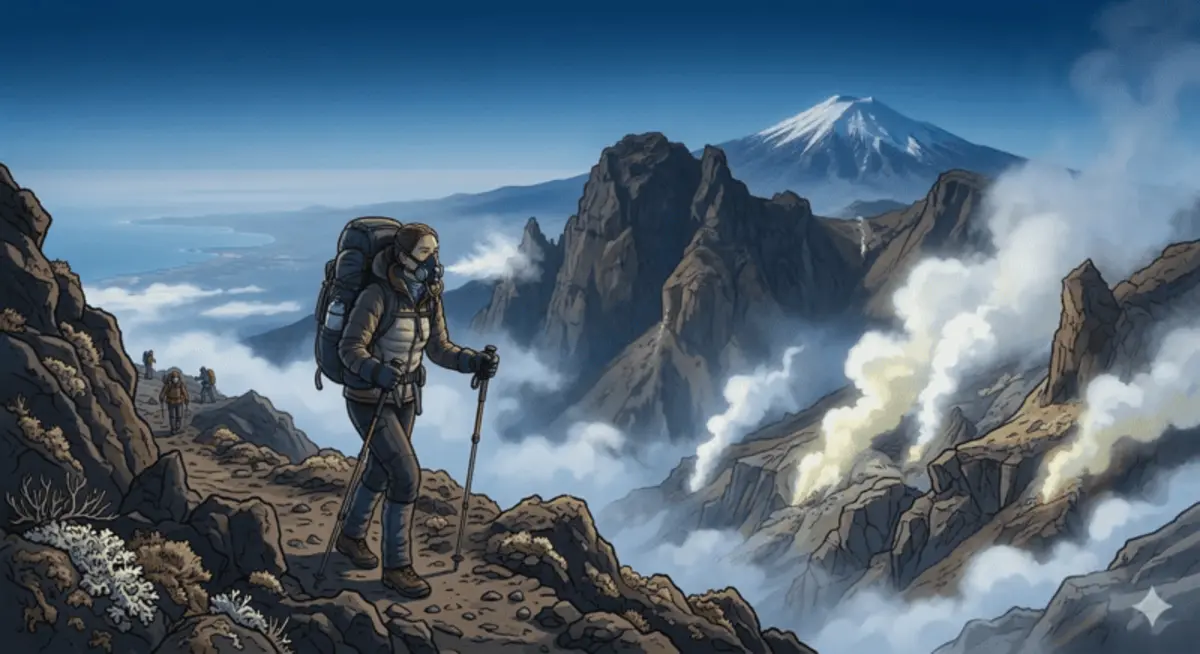
Above 2,500 meters, you may notice mild effects: slightly faster breathing, a feeling of exertion that seems disproportionate to the effort, and occasional light-headedness when standing up quickly. These are normal physiological responses, not signs of illness. Volcanic gas (mainly SO₂ and CO₂) near the craters can cause throat irritation and shortness of breath — your guide will position the group upwind whenever possible.
Who Should Avoid the Summit
The summit trek is not recommended for people with serious cardiac or respiratory conditions, particularly uncontrolled asthma or COPD. The combination of altitude, cold air, and volcanic gas puts extra strain on the cardiovascular and respiratory systems. Pregnant women should stay below 2,500 meters as a precaution. People with severe vertigo may find the exposed crater rim uncomfortable.
If you have a pre-existing condition but are otherwise active, consult your doctor before booking. In many cases, the cable car and 4x4 route to 2,900 meters is a comfortable alternative that still delivers spectacular views without the full physical demand of the summit trek.
How to Prepare Physically
You don't need to be an athlete, but some preparation helps enormously. If you walk regularly (30-45 minutes, 3 times a week), you'll manage the summit trek comfortably. The main challenge is not steepness but the surface — volcanic gravel and scoria shift underfoot, engaging stabilising muscles that don't work as hard on paved paths.
In the weeks before your trek, focus on two things: cardiovascular endurance (brisk walking, cycling, or swimming) and leg strength (stairs, lunges, or squats). If you're arriving from sea level, spend a day at moderate altitude if possible — even a night in Nicolosi at 700 meters helps your body begin adjusting.
Hydration, Nutrition & Sun Protection
Dehydration is a bigger risk than altitude on Etna. The dry volcanic air, wind, and physical effort cause significant fluid loss. Bring at least 1.5 litres of water per person — 2 litres in summer. Start hydrating the evening before your trek, not just on the morning of departure.
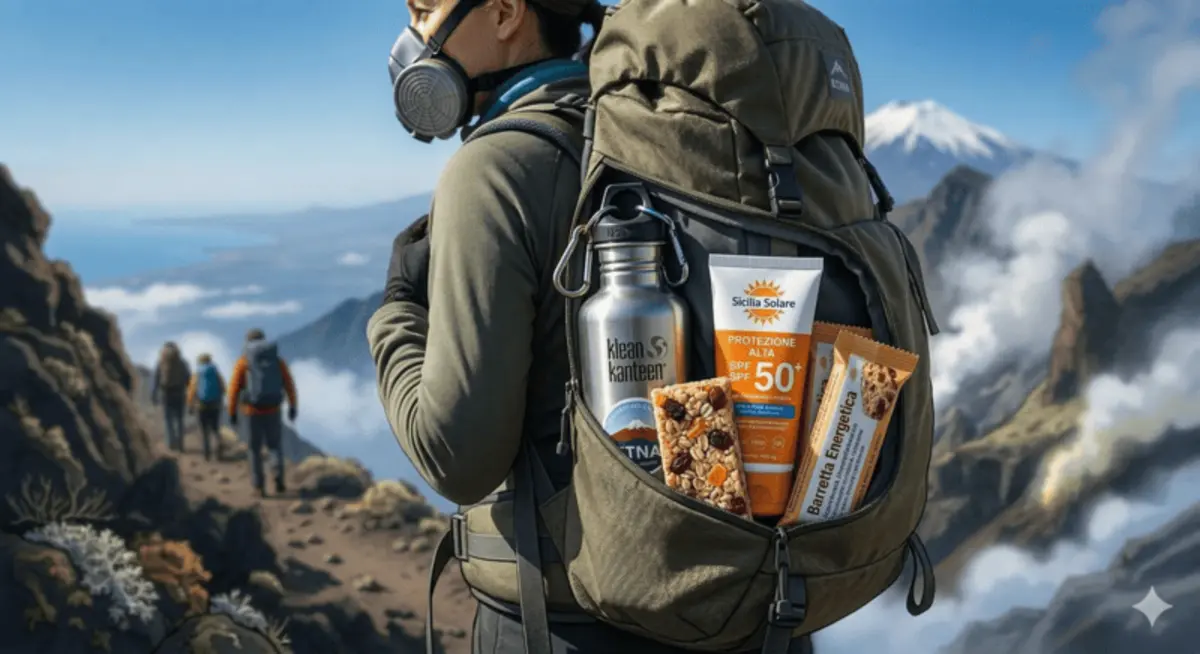
Eat a solid breakfast with slow-release carbohydrates: bread, cereals, fruit. Avoid heavy or greasy food. Carry energy bars or dried fruit for the trail. The UV intensity at 3,000+ meters is roughly 40% stronger than at sea level — apply SPF 50 sunscreen before starting, and reapply at the cable car station. Volcanic ash amplifies UV reflection, so protect the underside of your chin and nose too.
What Your Guide Watches For
A licensed volcanological guide does more than explain geology — they monitor group welfare throughout the trek. Vincenzo and his team watch for signs of fatigue, dehydration, and altitude discomfort. They control the pace, schedule rest stops at natural shelters, and carry first aid equipment including supplemental oxygen for emergencies.
If someone in the group is struggling, the guide adjusts the route or pace. On Etna, turning back is never a failure — it's a responsible decision that ensures everyone's safety. Weather and volcanic conditions are assessed continuously via radio contact with INGV (the national volcanology institute) and the Alpine Rescue service. Your guide will always choose safety over reaching the summit.
Before You Book: Quick Planning Checklist
- Check updated weather and volcanic activity conditions for your travel dates.
- Confirm meeting point, start time, and transfer arrangements.
- Request availability early for your preferred date and route.
- Read local safety guidance before excursions.