Hiking Mount Etna: Health, Altitude & Physical Preparation
Practical considerations on altitude, walking and health before an Etna excursion. Understand the limits of fitness and when to seek individual medical advice.
Table of Contents
An Etna trek involves altitude as well as physical effort. Individual responses vary, so choose a route appropriate to your health and preparation and discuss relevant medical conditions with your clinician before booking.
Can Anyone Hike Mount Etna?
Choose a programme by altitude, walking time and terrain rather than by the word “easy”. Silvestri and other lower routes still have uneven ground and changing conditions. Ask the cable-car operator about station access and assistance; reaching a station does not make the surrounding paths accessible. My summit excursion starts on the north side and lasts about five hours in total, including 4x4 transport and walking on loose volcanic ground.
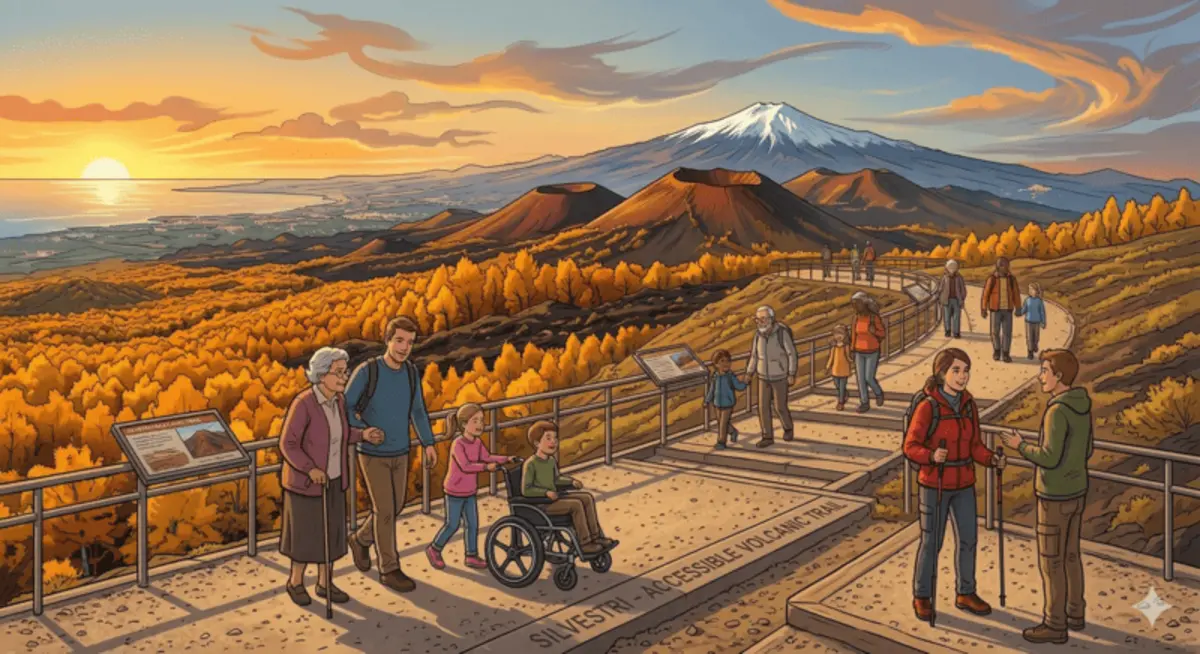
The minimum age for my summit tour is 12. It is a booking requirement, not evidence that every child or adult is suited to the route. Discuss walking experience, health and any mobility limitations before choosing a programme.
Altitude on Etna: What to Expect
Rapid ascent gives the body little time to acclimatise. Etna is not below a universal safe threshold for altitude illness, and good fitness does not remove the risk.
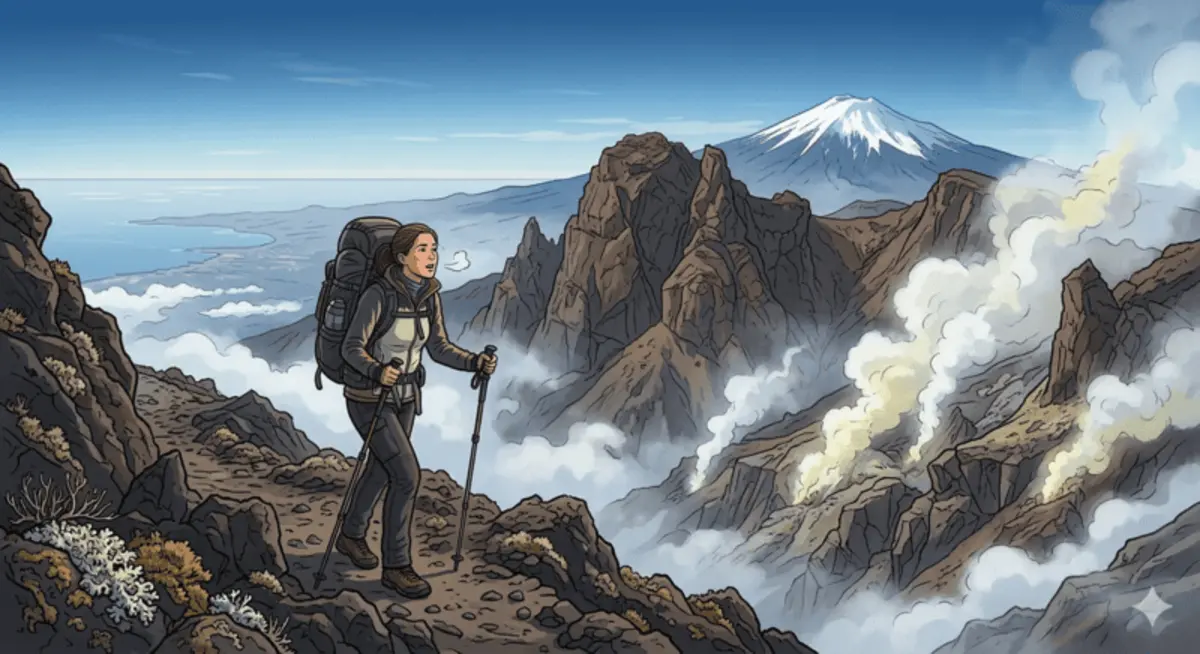
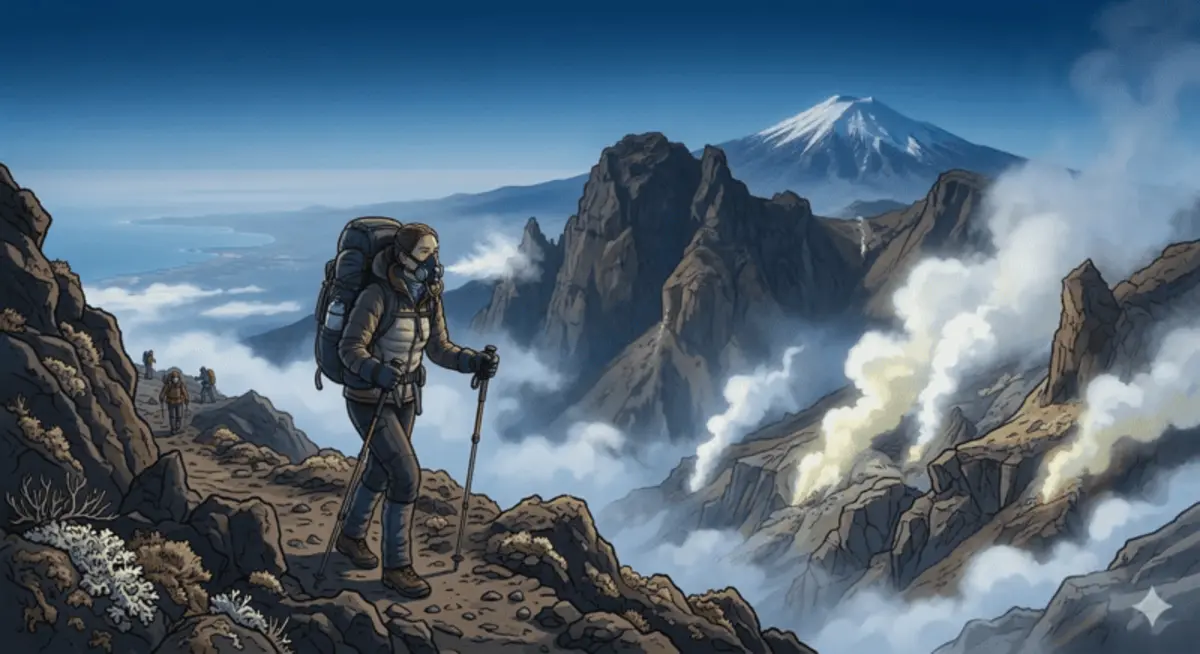
Faster breathing can accompany exertion at altitude, but headache, dizziness, nausea or unusual breathlessness should not be dismissed as normal. Inform the guide promptly and stop ascending if unwell. Volcanic gases can also affect breathing; move away from exposure as instructed.
Who Should Avoid the Summit
Before booking, discuss the actual altitude, ascent speed, walking and possible gas exposure with your clinician if you have a relevant heart or respiratory condition, are pregnant or are unsure about your suitability. A website cannot provide individual medical clearance. There is no single altitude below which all such situations become safe.
The Cable Car & 4x4 tour reaches about 2,900 m and includes roughly an hour and a half of walking. It is not a medical alternative to a summit trek. A lower route may involve less altitude exposure, but its terrain and effort still need to suit the individual.
How to Prepare Physically
Regular walking and experience on uneven paths help prepare for the physical effort. No fixed weekly exercise schedule guarantees a comfortable summit trek. Consider sustained walking, balance on loose scoria and the descent, and explain any limitations before booking.
Walking, cycling and leg-strength exercises can help prepare for the physical effort. Fitness training and a night in Nicolosi do not establish acclimatisation to the summit; allow time for a gradual ascent where possible.
Hydration, Nutrition & Sun Protection
Bring the water and food indicated on your chosen tour page, with enough for its duration and expected conditions. Do not rely on finding a refill on the trail. Drinking water does not prevent altitude illness; follow any fluid advice your clinician has given you.
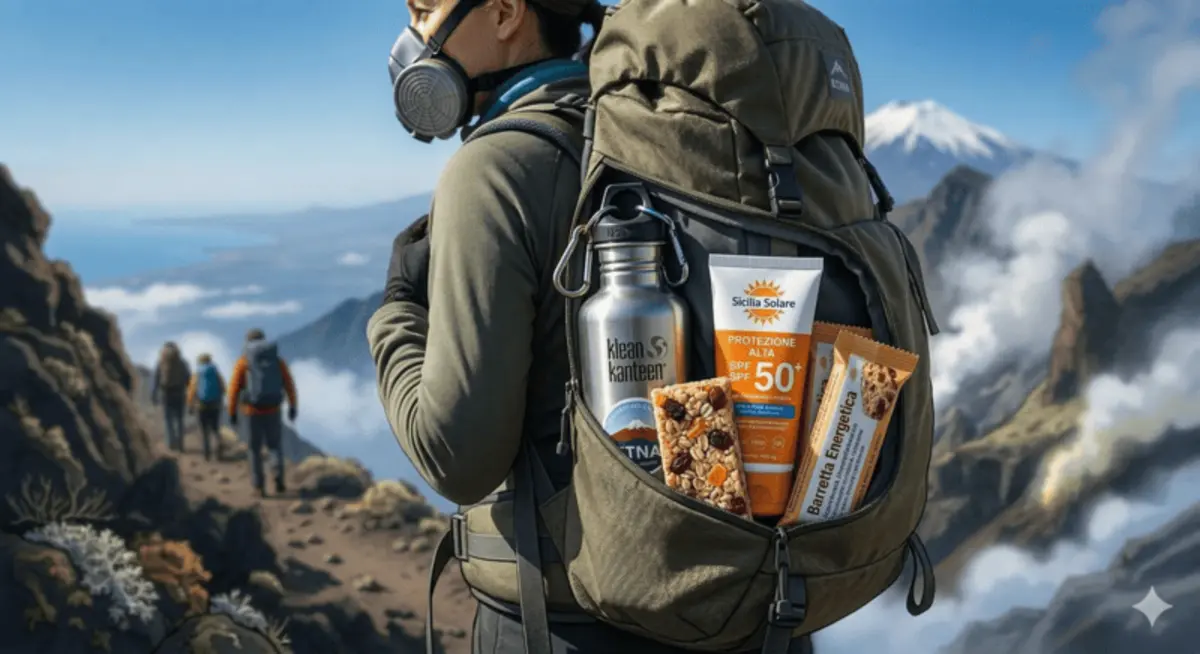
Bring familiar food or snacks, sun protection, sunglasses and suitable layers. Snow and exposed ground make sun protection relevant even when the air feels cold. Follow the sunscreen instructions and the tour equipment list rather than treating a fixed UV percentage as a forecast.
What Your Guide Watches For
Tell the guide promptly about discomfort or difficulty keeping the pace. A guide can assess the group, change the pace or route and organise a response; this does not replace medical assessment or eliminate the effects of altitude.
Turning back can reduce exposure and is sometimes the appropriate decision. Weather forecasts, scientific monitoring and current access restrictions inform the route choice, but none guarantees a safe outcome. Reaching a particular altitude is never more important than responding to changing conditions.
Sources
Before You Book: Quick Planning Checklist
- Check updated weather and volcanic activity conditions for your travel dates.
- Check the mountain meeting point and the departure time in the calendar. Travel independently with your rental car; no transfer is provided.
- Compare routes, practical details and availability, then use the booking calendar on your chosen tour page.
- Read local safety guidance before excursions.