What to bring for an Etna hike: equipment by programme
Prepare footwear, layers, water and sun protection for your chosen Etna excursion. Check what is included, especially the helmet on the summit programme.
Table of Contents
Start with the tour page
Use the equipment list for the excursion you actually booked. Sartorius, Cable Car & 4x4 and Summit Craters have different walking and altitude requirements. A generic packing list cannot make every route suitable for every person or weather condition.

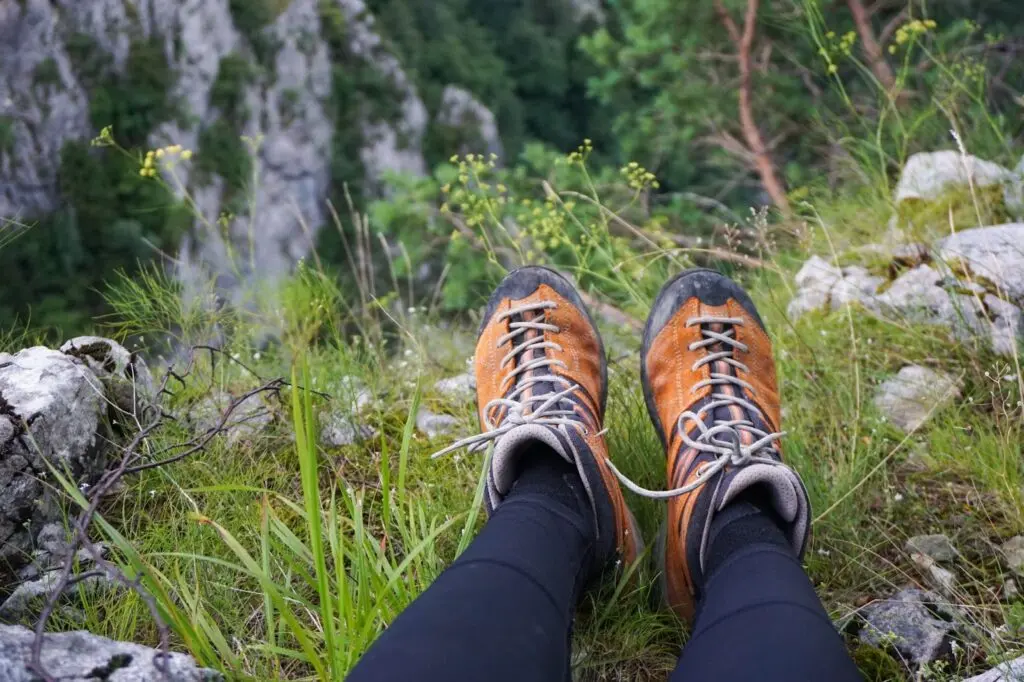
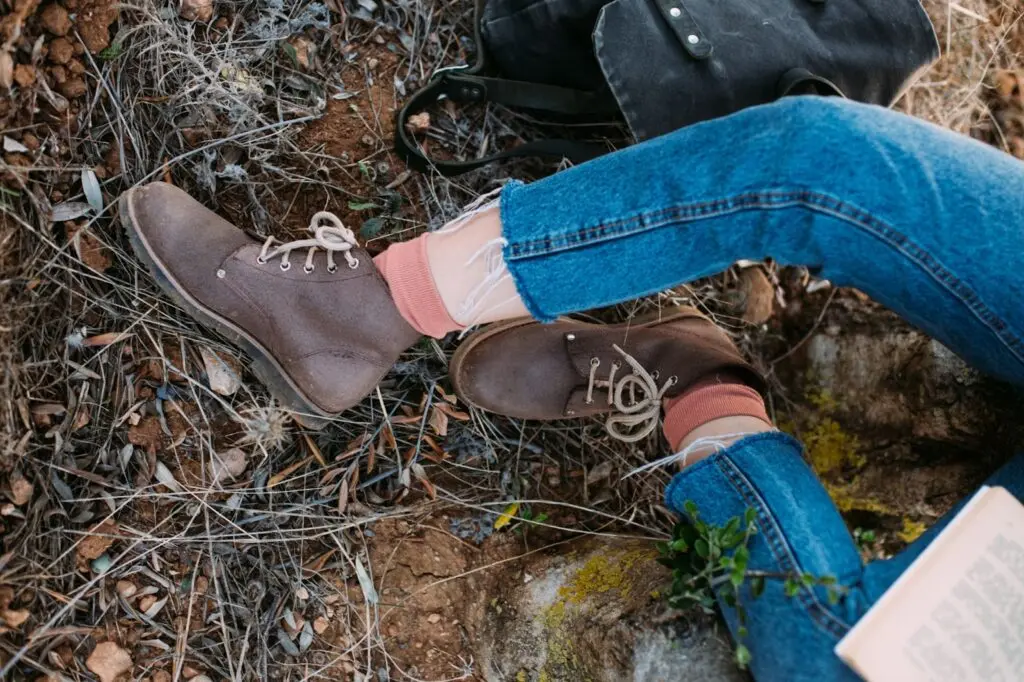
Footwear and ground
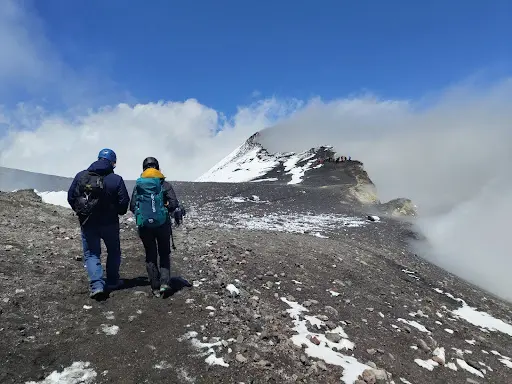
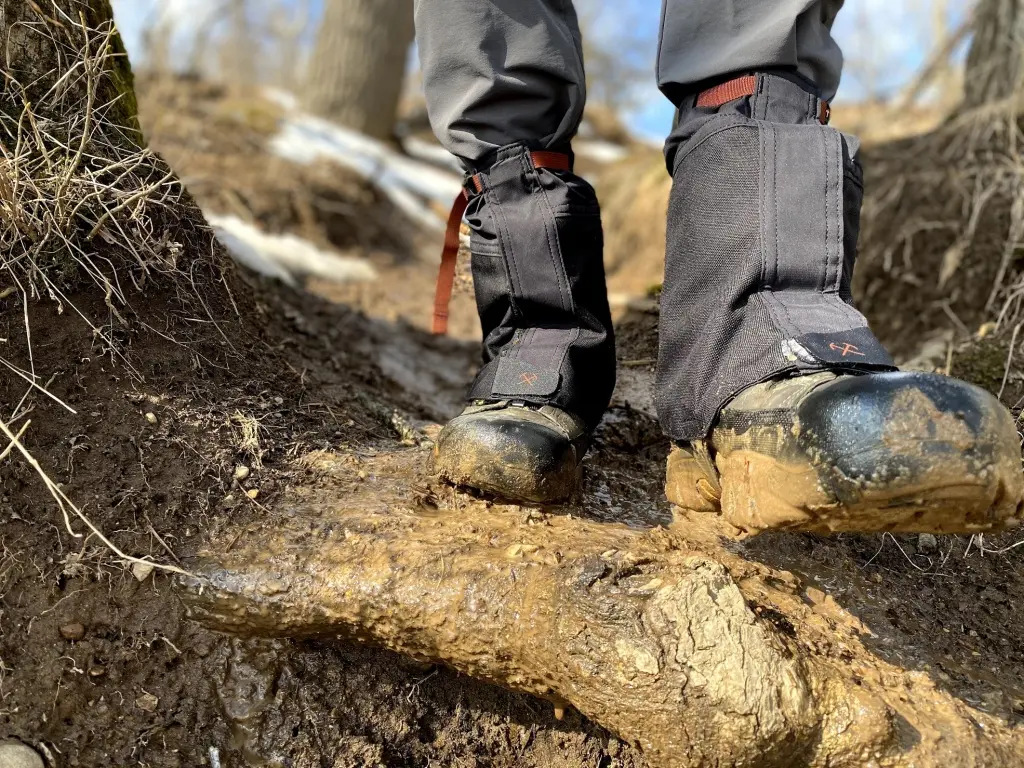
Choose shoes that meet the specific tour requirements and provide grip on the expected terrain. Loose scoria, uneven lava and a descent demand more care than a paved promenade. Do not arrive in sandals for a trekking programme or assume cable-car transport removes all walking: that tour includes roughly 90 minutes on foot.
Layers and weather protection
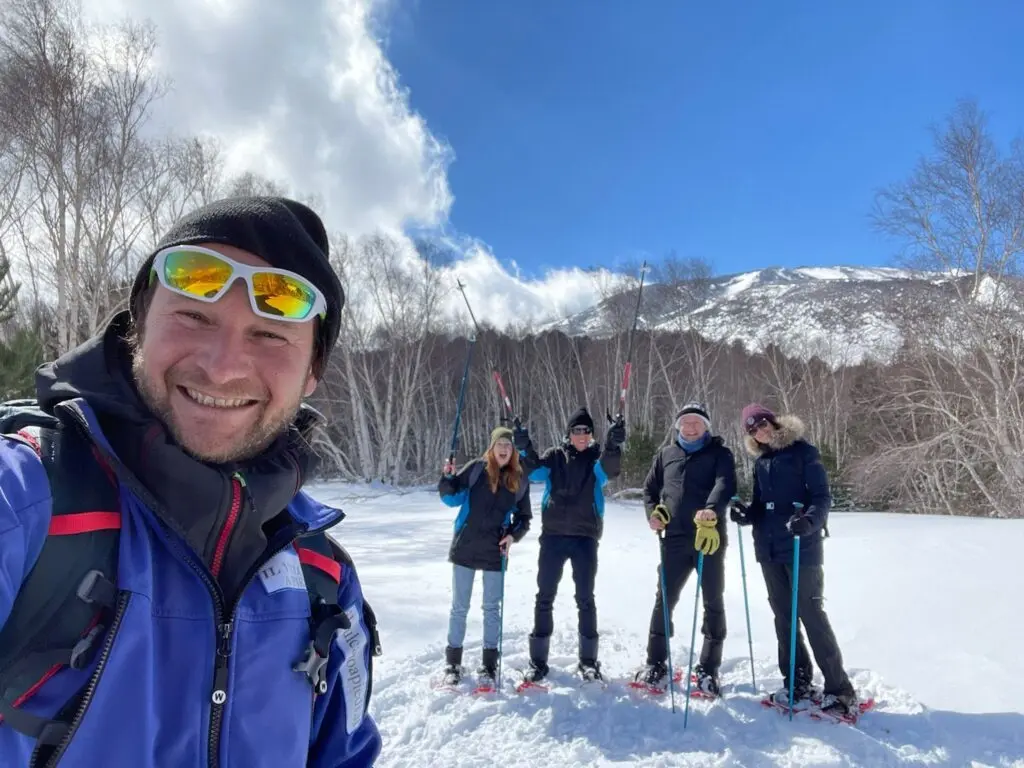
Carry suitable layers and protection from wind and rain according to the forecast at route altitude. Hat and gloves may be useful even when the coast feels warm. Winter snow or ice can require a different assessment, equipment or cancellation; adding items to a backpack does not make an unsuitable route practicable.
Water, food and sun
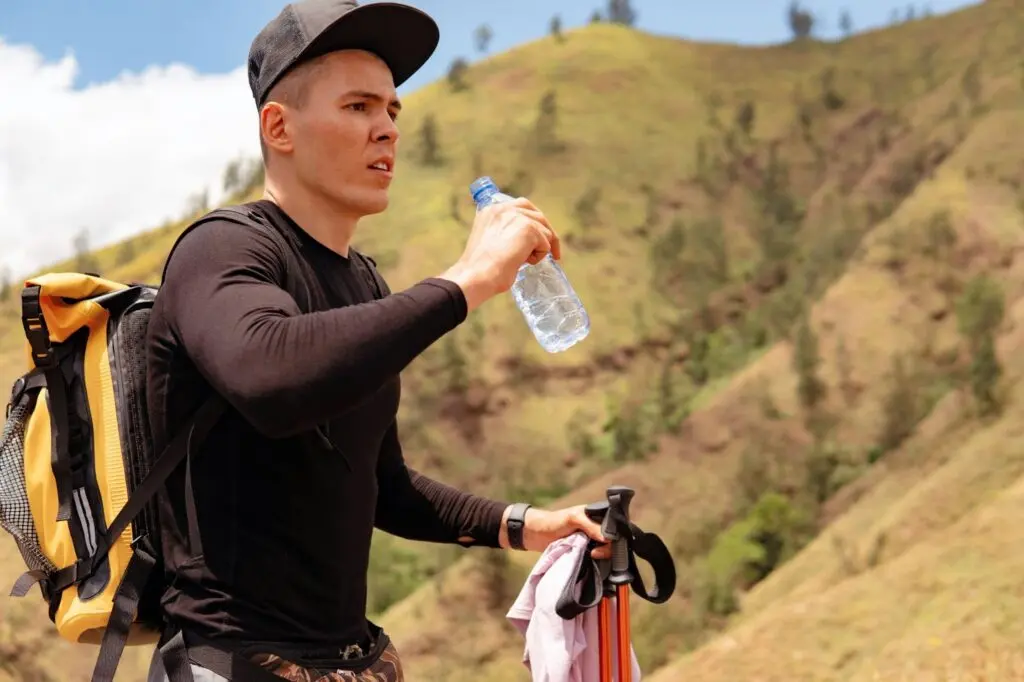
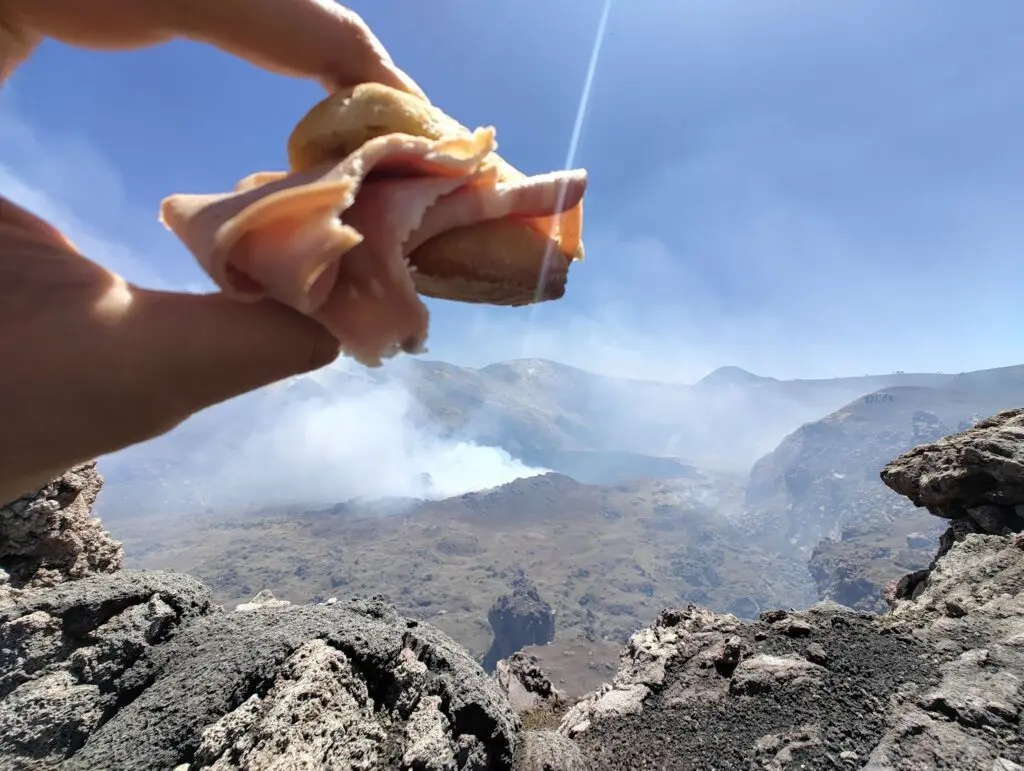
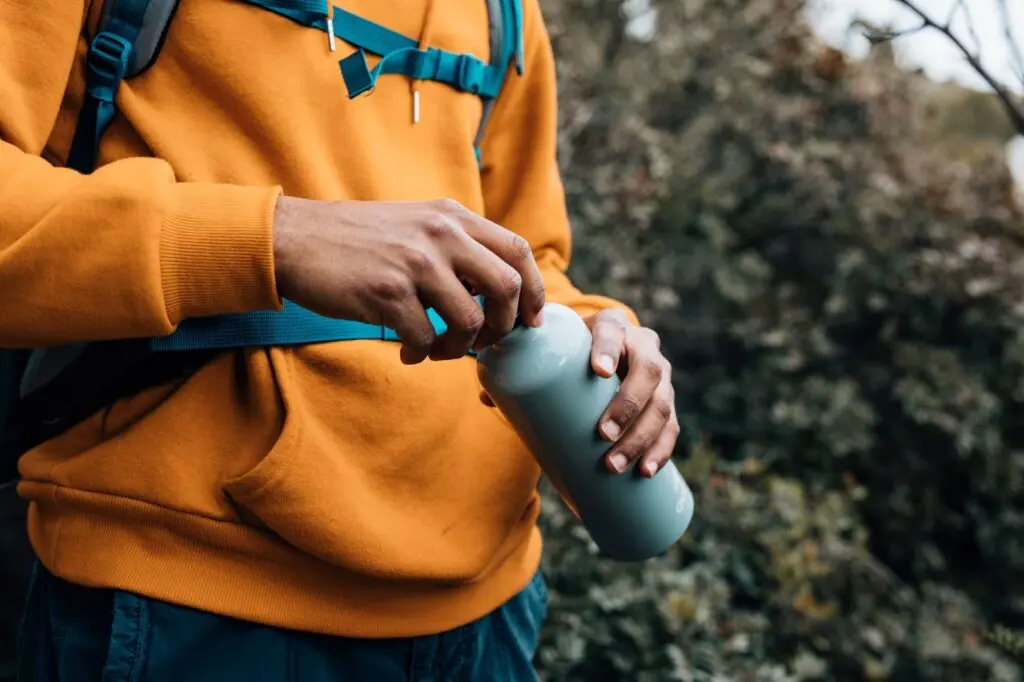
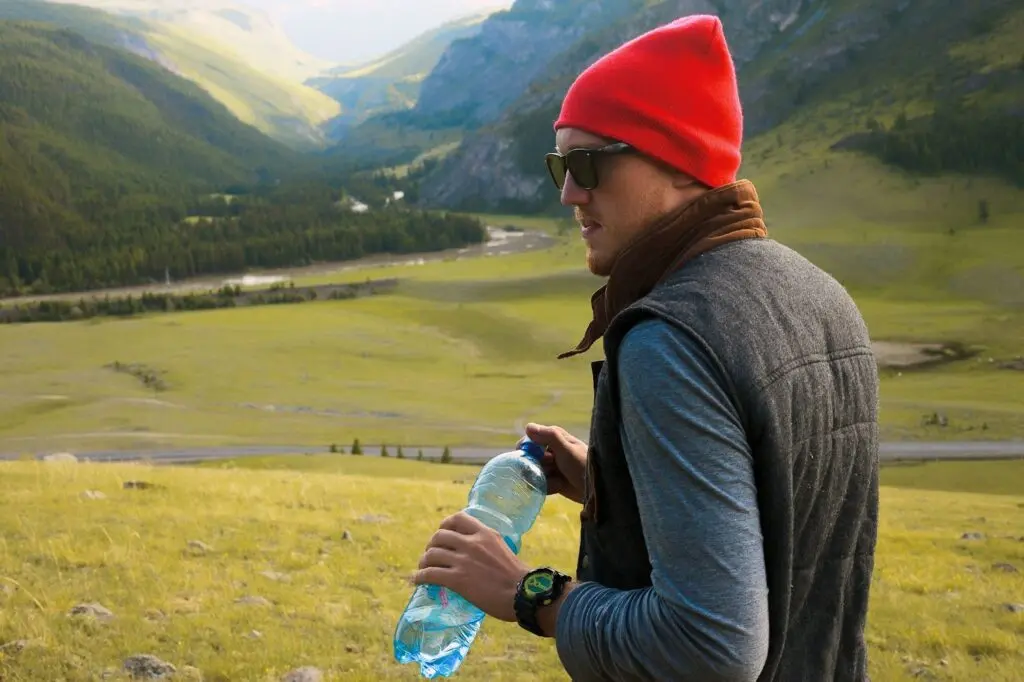
Bring water and familiar food or snacks for the programme’s duration, following the tour page. Do not depend on a refill on the trail. Pack sun protection and sunglasses; cold air does not remove exposure to sunlight. Drinking water is not protection against altitude illness.
Included equipment and personal items
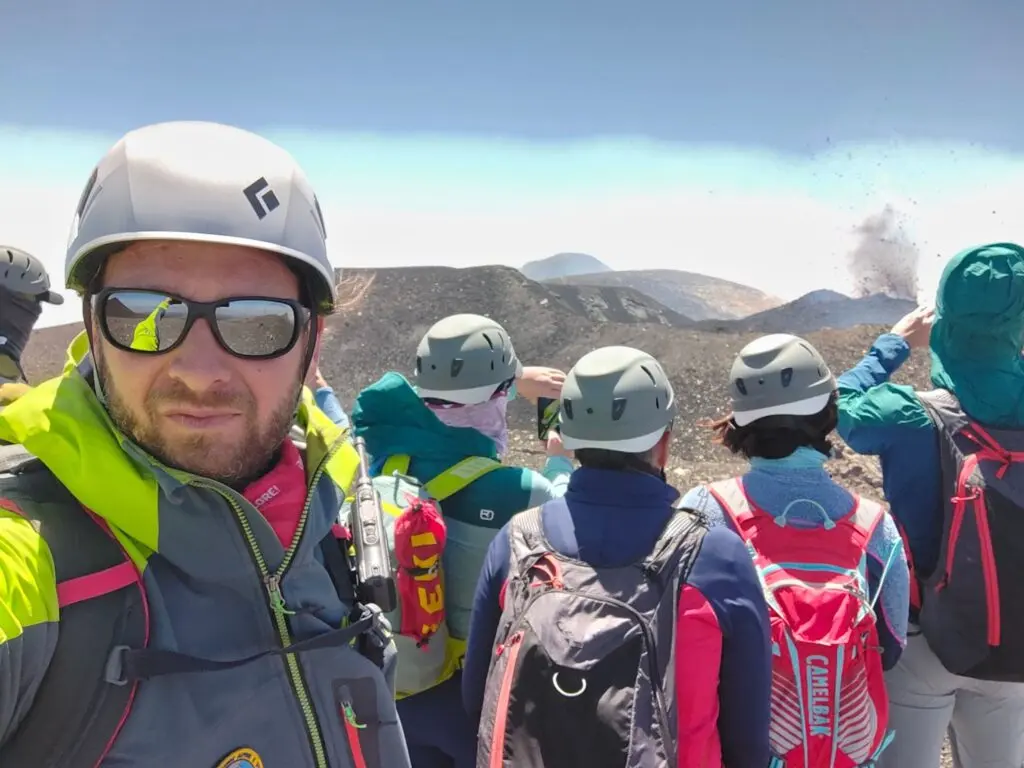
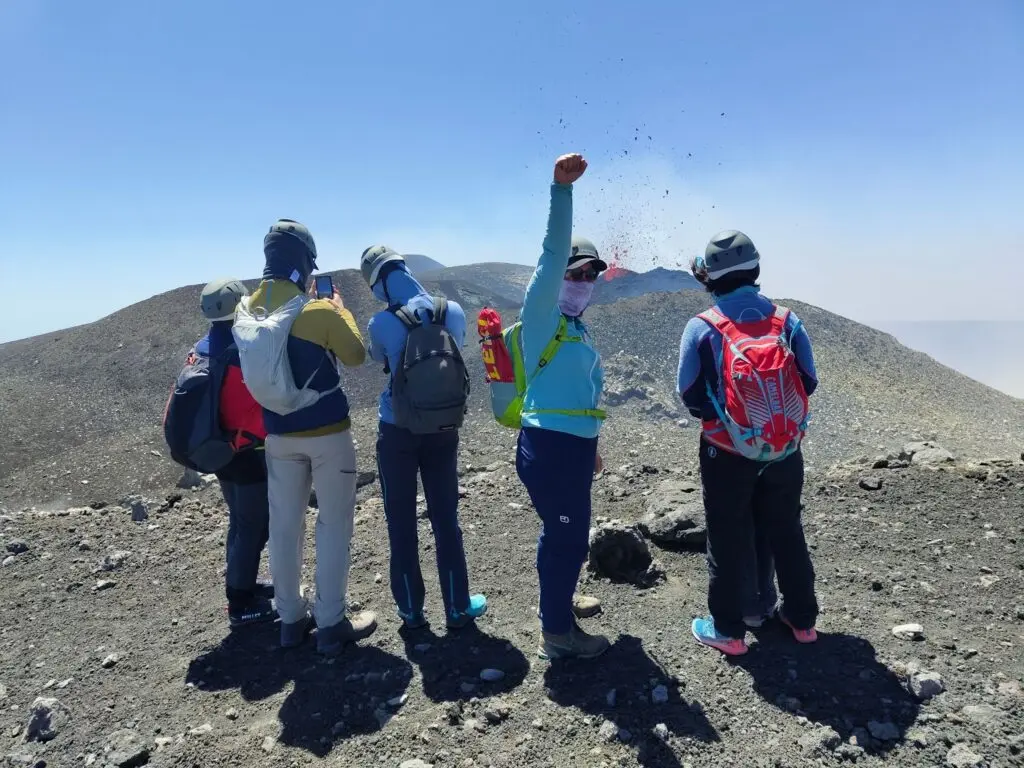
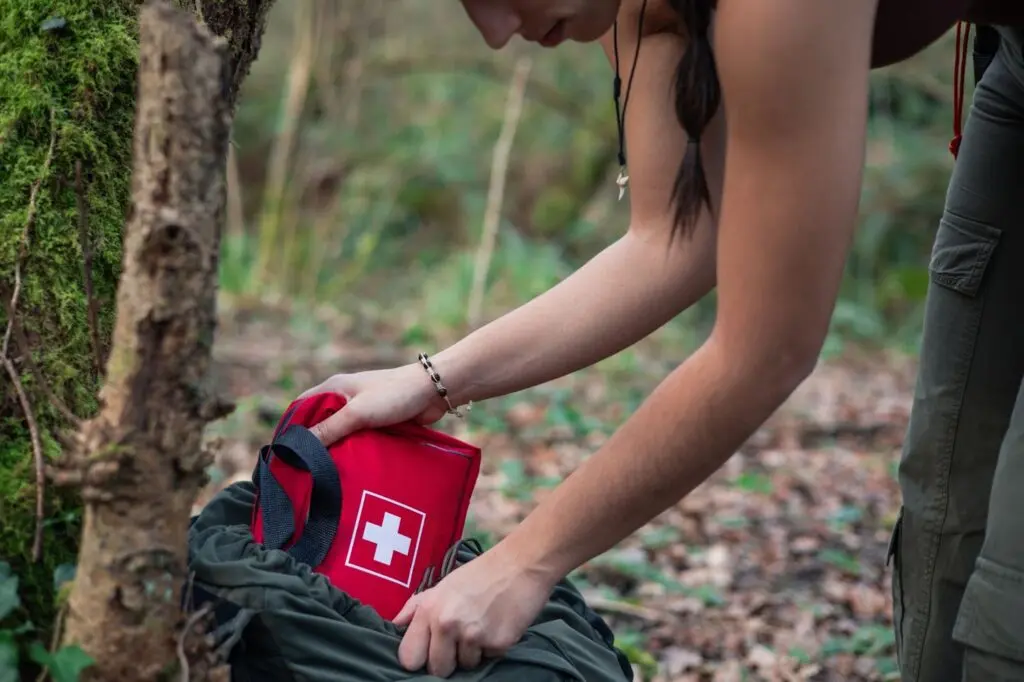
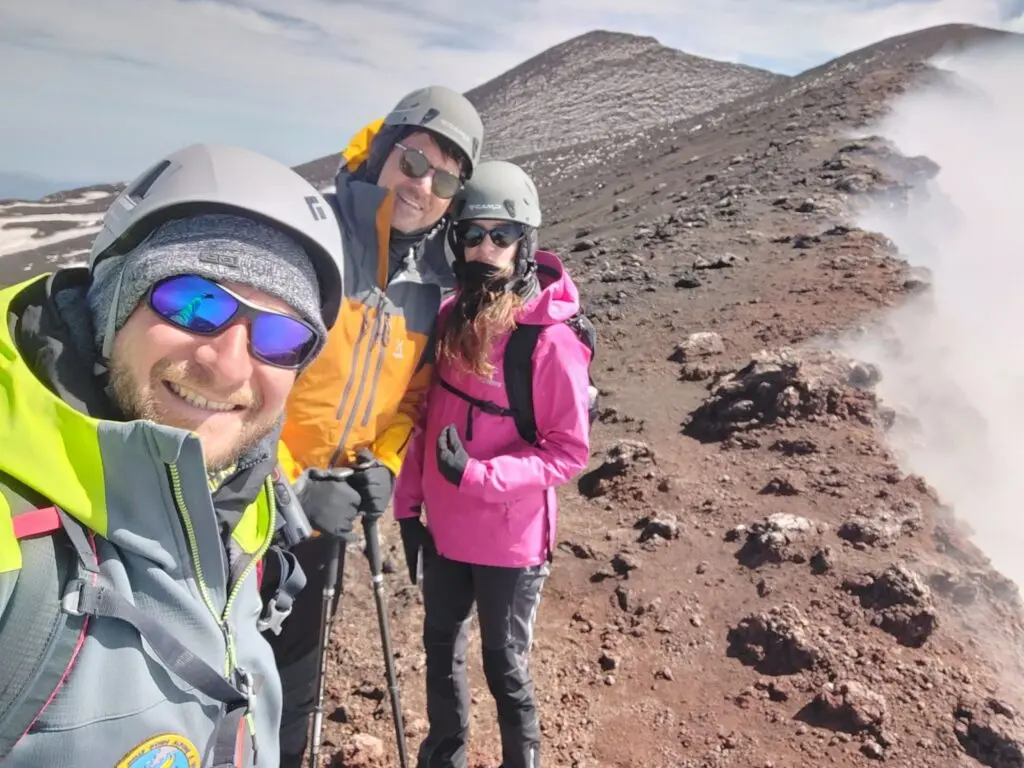
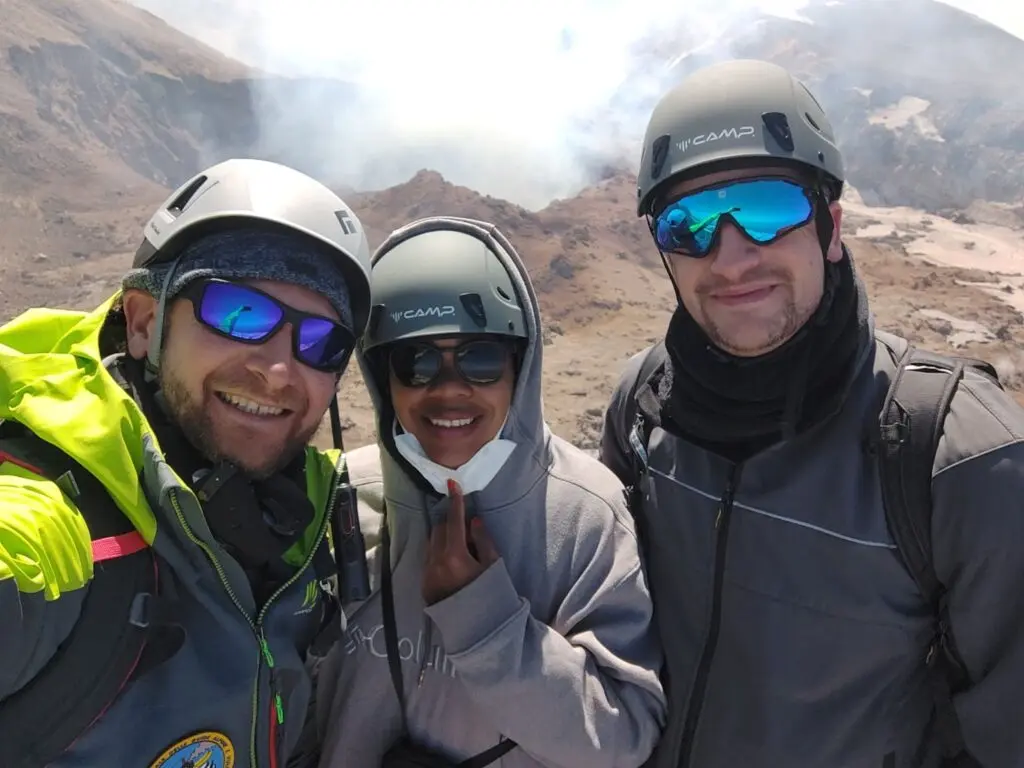
A helmet is included on my summit excursion. Other clothing and equipment are not supplied as a general rental kit, and a helmet does not grant priority access to a lift. Carry necessary personal medication according to your clinician’s advice, a charged phone and a practical backpack. A buff is not protection against volcanic gases.
Camera and optional extras
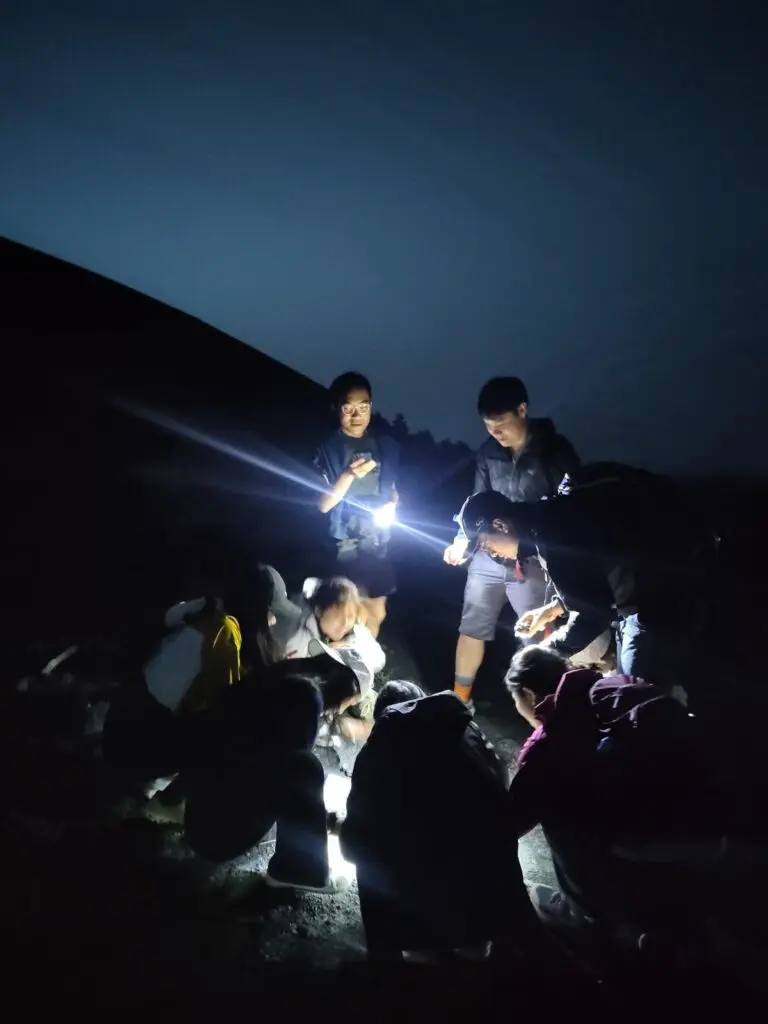
Keep camera weight manageable for the walk. Check battery performance for the expected temperature and protect equipment from dust and weather. A headlamp can be an emergency item; it does not mean the booking includes a night or sunset trip. Avoid adding nonessential items that make the walk harder.
Confirm the meeting point
My summit programme starts at Piano Provenzana in the north, not at the southern cable-car station. Check the exact meeting point in your booking and reach it with your rental car. Ask about unclear equipment requirements before departure. If you become unwell, tell the guide promptly rather than treating equipment as a guarantee that you can continue.


Sources
Before You Book: Quick Planning Checklist
- Check updated weather and volcanic activity conditions for your travel dates.
- Check the mountain meeting point and the departure time in the calendar. Travel independently with your rental car; no transfer is provided.
- Compare routes, practical details and availability, then use the booking calendar on your chosen tour page.
- Read local safety guidance before excursions.