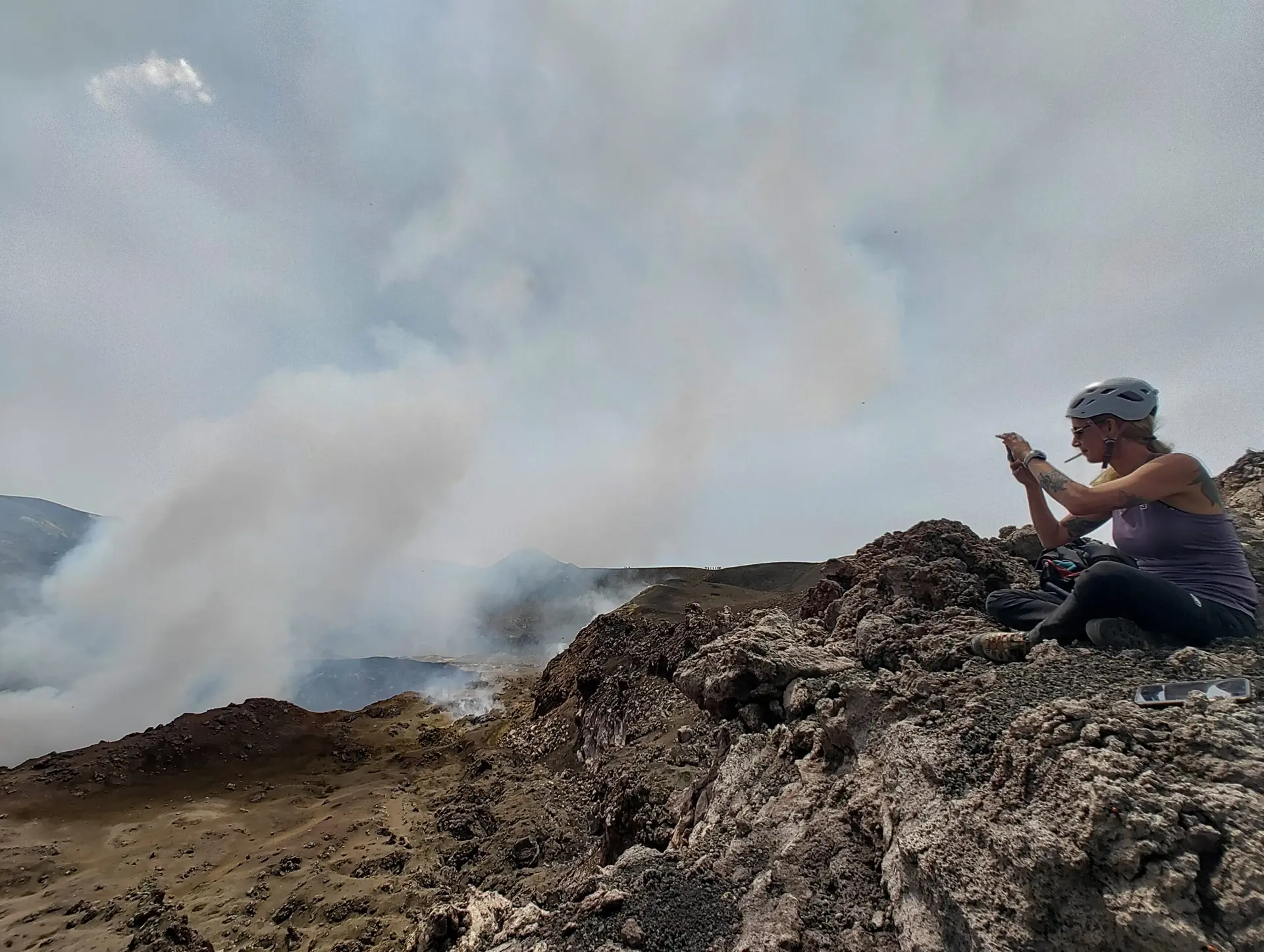
Etna eruptions: history, changing landscapes and current information
Understand Etna’s eruption history and its effects on people and landscapes. Distinguish historical events, scientific monitoring and current access decisions.
Table of Contents
Is Etna erupting now?
This historical article cannot establish current activity. Read the latest dated INGV bulletins and notices, checking their observation period. A webcam only shows its field of view at the displayed time; cloud, darkness, technical delays and outages can hide activity. Neither the image nor a tremor graph alone is an all-clear for an excursion.
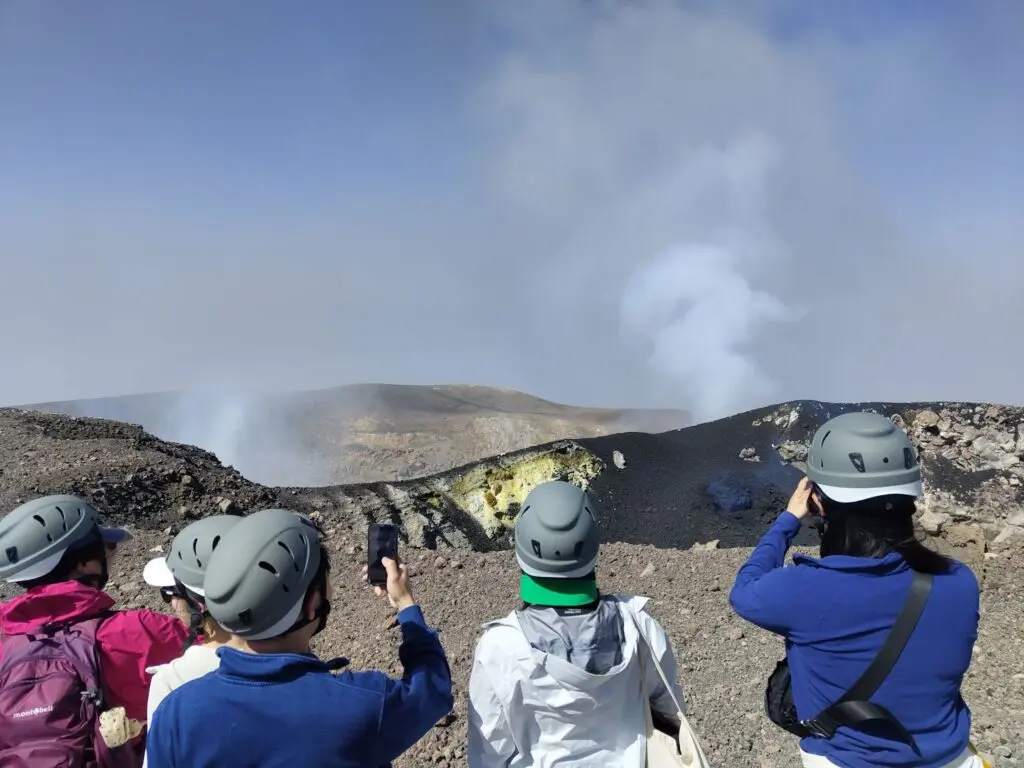
A volcano built in stages
Etna’s geological history extends back about 500,000 years, including early submarine activity and later centres in different areas. The present mountain developed through multiple stages. This does not mean that the same summit cone has erupted continuously for half a million years.
Examples from the historical record
The explosive eruption of 122 BC damaged ancient Catania through ash and lapilli fallout. In 1669, lava affected settlements and reached Catania; in 1928 it devastated Mascali. These examples involve different processes and consequences. Use the INGV historical catalogue for the chronology rather than treating all damage as lava or all eruptions as identical.
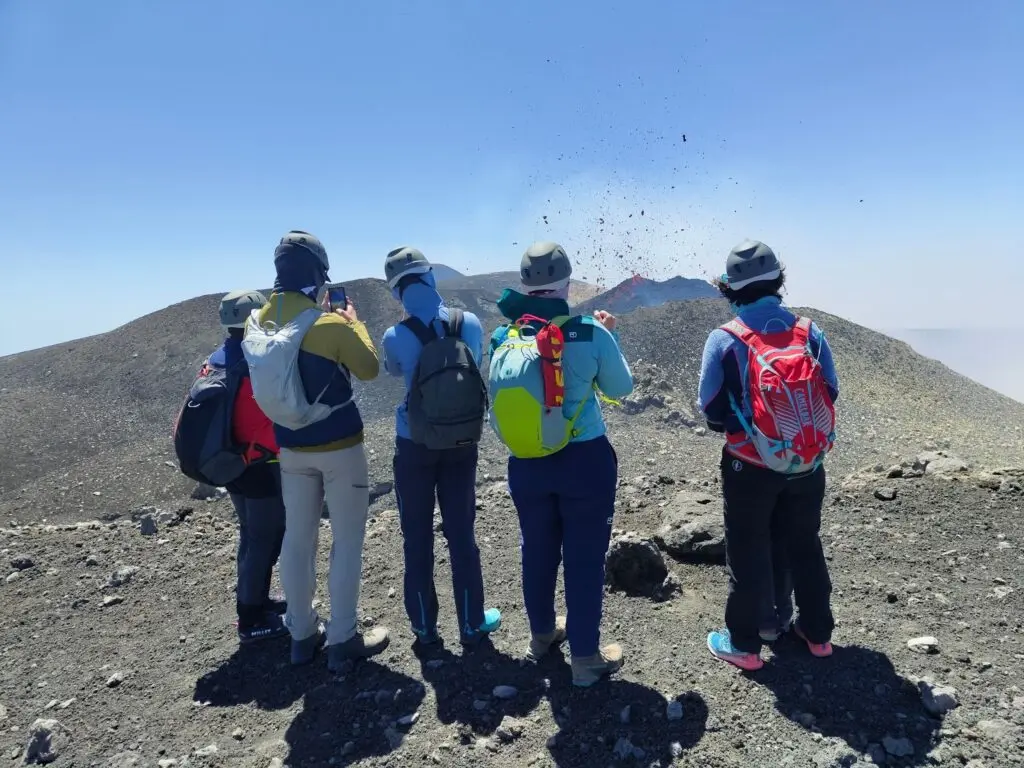
The 2002–2003 eruption
The northern and southern phases had different durations: INGV records north-eastern activity from 27 October to 4 November 2002 and southern activity from 27 October 2002 to 28 January 2003. Lava affected Piano Provenzana’s tourist infrastructure. The northern landscape preserves traces of that event.
Effects on people and the environment
Lava, ash and volcanic gases can affect infrastructure, crops, habitats and air quality. Fresh deposits and older soils are different environments: vegetation recovery varies with the site and conditions. Avoid assuming a fixed recovery time or a measured climatic effect without a specific study. The mountain’s cultural importance does not remove its hazards.
Monitoring and visiting today
INGV combines several observation networks to interpret activity. Monitoring supports decisions but cannot predict every event; scientific bulletins and official access measures have different roles. Choose one of my three private excursions according to its published walk, age limits and current restrictions. A guide cannot override a closure or guarantee an eruption sighting. If conditions prevent the booked route, choose a practicable alternative, another date or a full refund.
Sources
Before You Book: Quick Planning Checklist
- Check updated weather and volcanic activity conditions for your travel dates.
- Check the mountain meeting point and the departure time in the calendar. Travel independently with your rental car; no transfer is provided.
- Compare routes, practical details and availability, then use the booking calendar on your chosen tour page.
- Read local safety guidance before excursions.