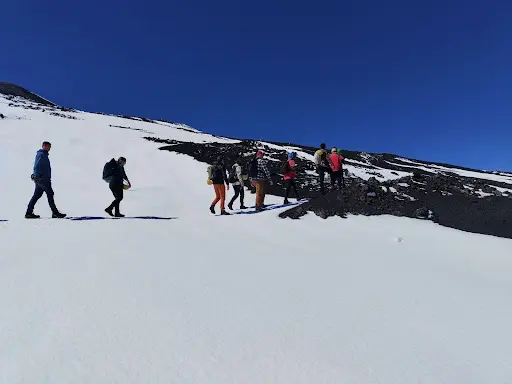
Etna by day and night: differences for planning a visit
Compare light, visibility and planning needs on Etna by day and after dark. My three current private excursions are daytime programmes; night trips are not offered.
Table of Contents
What this comparison covers
This page explains how light changes a volcanic landscape. It does not offer a choice between a daytime booking and a night tour: I currently sell three private daytime excursions. Night, sunset and active-lava outings are not available, including on request.
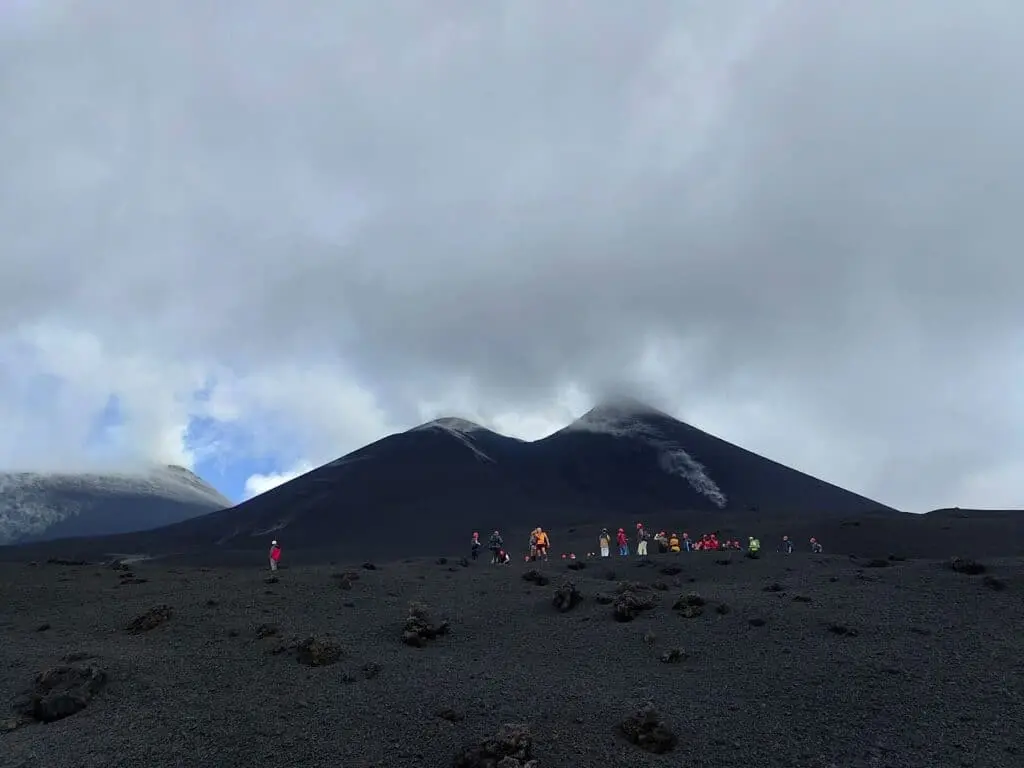
What daylight adds
Daylight usually makes terrain, crater shapes and vegetation easier to observe and helps with orientation. It does not guarantee clear views, moderate temperatures or permission to reach the summit. Cloud, wind, snow and restrictions can affect a daytime visit too.
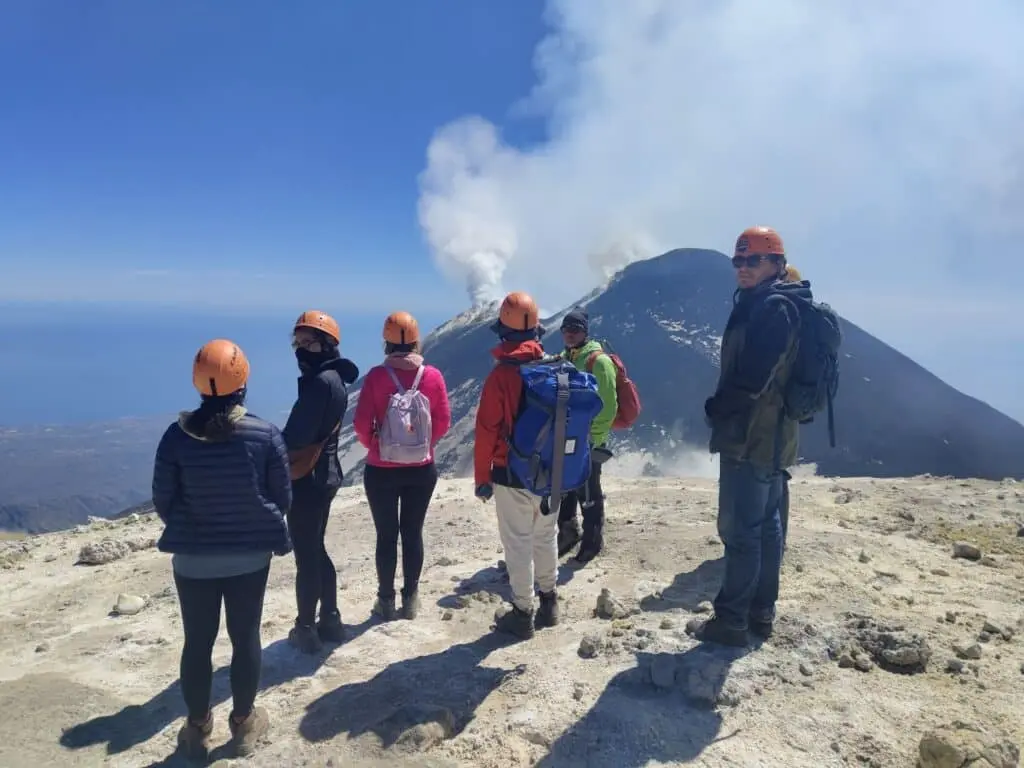
What darkness changes
Incandescence may become more visible against a dark background, but only if activity, weather and the viewing angle allow it. Darkness makes loose ground, drops and route markings harder to assess. A headlamp does not authorise access or replace suitable experience and a route assessment.
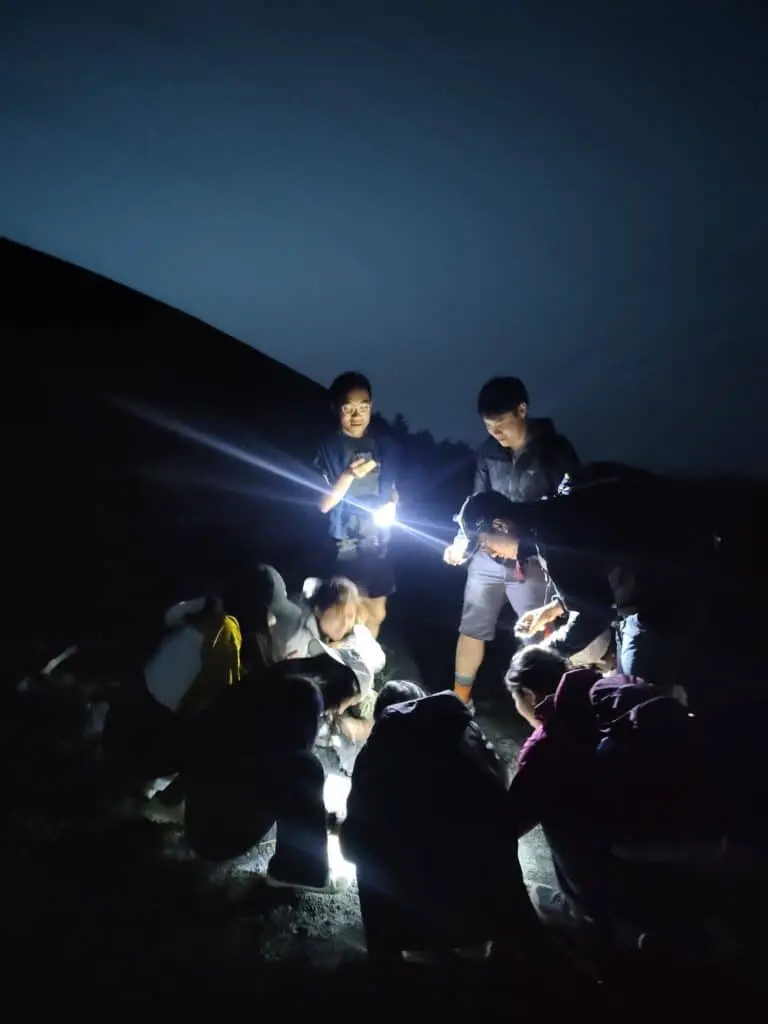
Timing must match a real programme
Use the departure time in the booking calendar for your chosen tour. My summit programme starts at Piano Provenzana in the north and lasts about five hours including 4x4 transport; it is not a southern cable-car itinerary. The southern Cable Car & 4x4 programme lasts about three hours including roughly 90 minutes of walking.
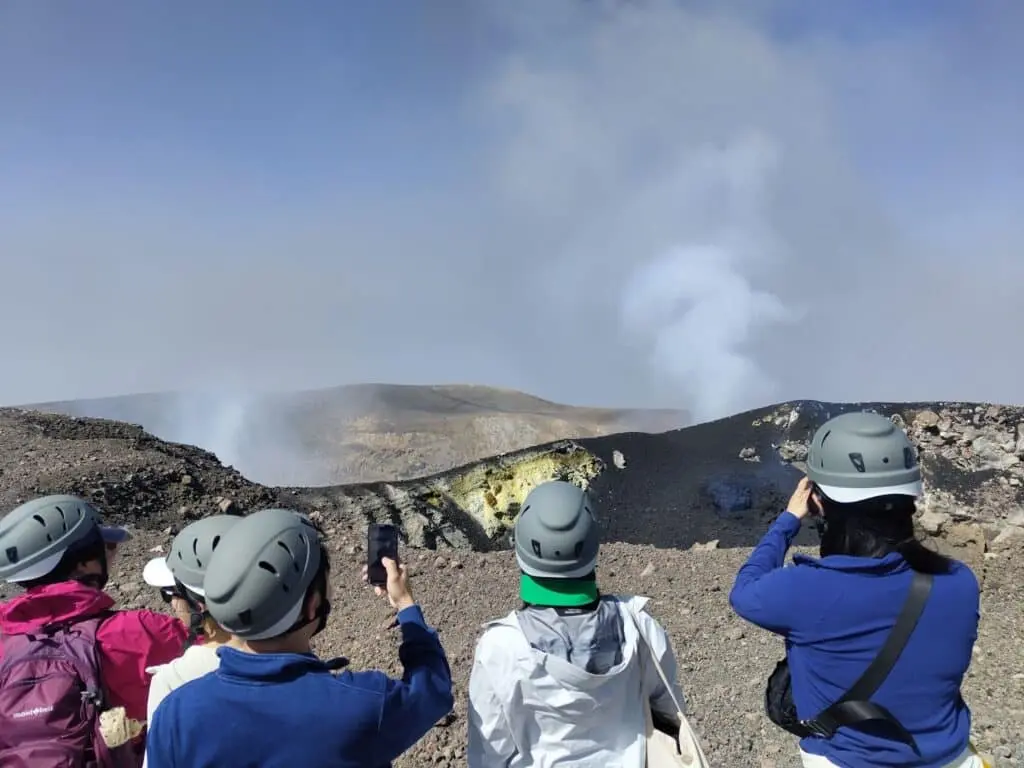
Weather and photography
Check a forecast for the intended altitude and time rather than a fixed “day versus night” temperature table. Sunrise and sunset times vary through the year. Distant views or webcam images may help with photography planning, but never prove that a route is open or that lava will be visible.
Book according to walking and altitude
Compare the three daytime excursions by meeting point, effort, minimum age and equipment. They keep their published prices and inclusions. If conditions prevent the booked route, choose a practicable alternative, another date or full refund. No programme guarantees a volcanic event or a particular photograph.
Sources
Final planning notes
Before departure, verify local updates, weather exposure, and route suitability for your group. A guided approach remains the most reliable way to combine safety, learning value, and realistic timing on Mount Etna.
Before You Book: Quick Planning Checklist
- Check updated weather and volcanic activity conditions for your travel dates.
- Check the mountain meeting point and the departure time in the calendar. Travel independently with your rental car; no transfer is provided.
- Compare routes, practical details and availability, then use the booking calendar on your chosen tour page.
- Read local safety guidance before excursions.